
Festival

c19kk xw8aady e 2 orig

Makara Sankranti

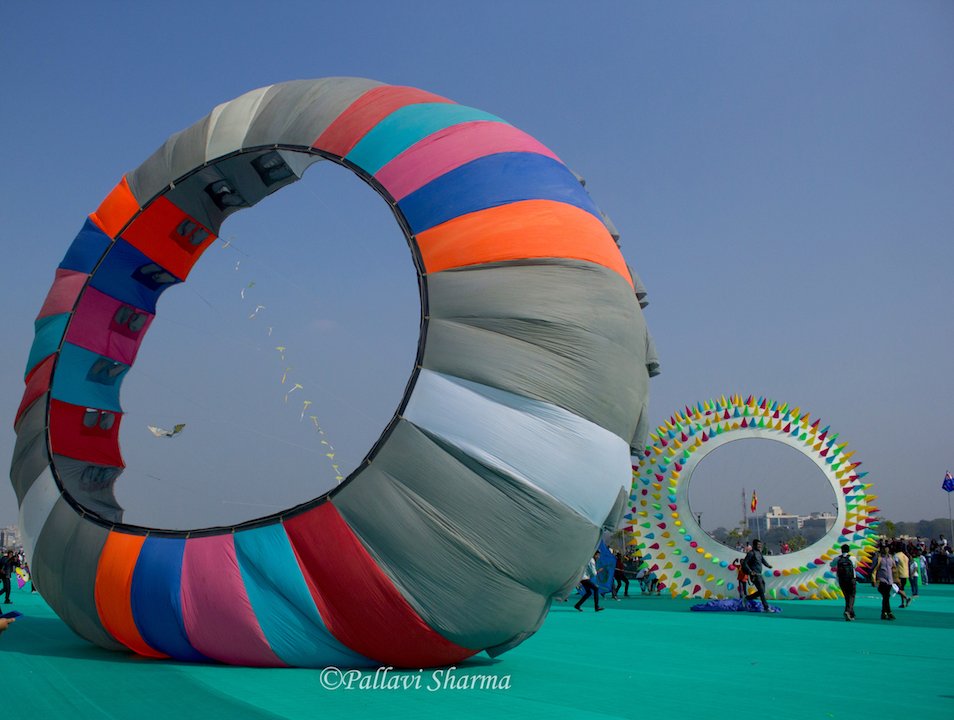
Makara Sankranti is a major Hindu harvest festival celebrated across India and Nepal each January, marking the Sun’s transition into the zodiac sign Capricorn (Makara). It signifies the end of winter, the beginning of longer days, and is dedicated to the Sun god, Surya, symbolizing renewal and gratitude for the harvest Makara Sankranti is a major Hindu harvest festival celebrated across India and Nepal each January, marking the Sun’s transition into the zodiac sign Capricorn (Makara). It signifies the end of winter, the beginning of longer days, and is dedicated to the Sun god, Surya, symbolizing renewal and gratitude for the harvest
Makara Sankranti Read More »

dsc 3852

Sigandur Chowdeshwari Jatre

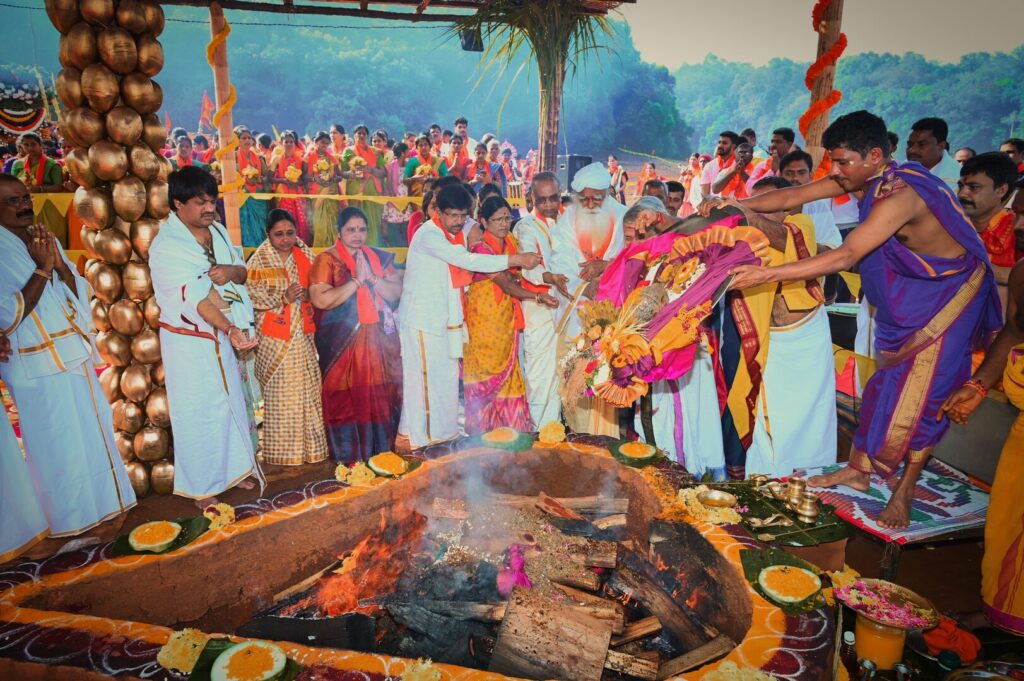
The Sigandur Chowdeshwari Jatre is an annual religious festival celebrated at the Sigandur Chowdeshwari Temple in Sagara, Karnataka. Dedicated to Goddess Chowdeshwari Devi, the event draws thousands of devotees who come to seek her blessings, perform rituals, and participate in cultural traditions unique to the region. Key facts Religious significance The festival honors Goddess Chowdeshwari, regarded as a guardian deity who protects devotees from harm and injustice. The jatre (fair) marks a time when followers express gratitude for divine protection and seek spiritual renewal. Many believe that prayers made here bring resolution to personal or legal difficulties, reinforcing the goddess’s reputation as a just and powerful protector

Sigandur Chowdeshwari Jatre Read More »

mysore palace dussera (29633564994)

Dasara

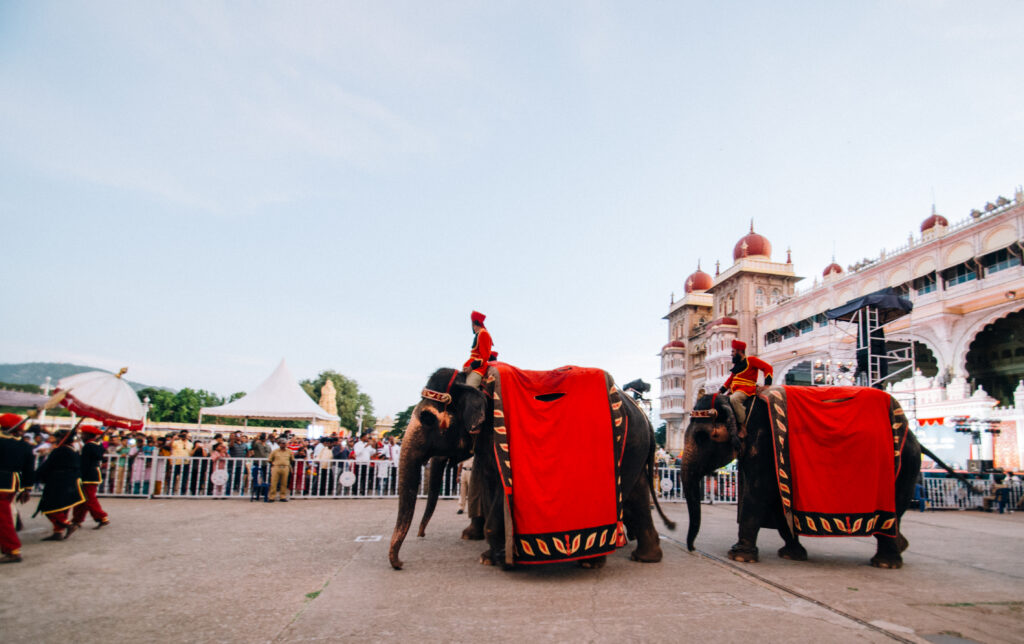
Dasara, also known as Mysuru Dasara, is a major state festival of Karnataka, India, celebrated with grandeur in the city of Mysuru. It marks the victory of good over evil, symbolized by Goddess Chamundeshwari’s triumph over the demon Mahishasura. The festival is Karnataka’s official “State Festival” and draws millions of visitors every year. Key facts Historical background Dasara in Mysuru has roots in the 15th century during the reign of the Vijayanagara Empire. The Wadiyar dynasty of Mysuru later adopted and expanded the celebrations, blending royal pageantry with religious devotion. It historically showcased the kingdom’s prosperity and devotion to Goddess Chamundeshwari, the presiding deity of the Mysuru royal family.

Dasara Read More »

01 dscf 4820 nm pili vesha folk art dancing to the beat fab1936103

Huli Vesha

Huli Vesha (literally “Tiger Dance”) is a vibrant folk dance and festival tradition from coastal Karnataka, India. It is primarily performed during the Navaratri and Mangalore Dasara celebrations, where dancers painted like tigers and leopards enact energetic routines to drums. The performance symbolizes valor, power, and devotion to the goddess Durga. Key facts Origins and cultural roots Huli Vesha evolved as part of devotional expressions to goddess Durga, whose vahana (mount) is a tiger. Historically, villagers performed the dance to invoke blessings for courage and community welfare. Over time, it became a major highlight of Mangalore’s festive calendar, blending religious devotion with popular entertainment

Huli Vesha Read More »